

Roof Repair & Replacement in North Jersey | NJ Pro
ROOFING SERVICES · NORTH JERSEY
Roof Repair and Replacement in North Jersey
A roof concern deserves a clear assessment and a plan that fits your home. NJ Pro Home Improvements helps North Jersey homeowners discuss repairs, replacement, and new installation—including inspection of exposed decking and damaged plywood when the roof is opened.
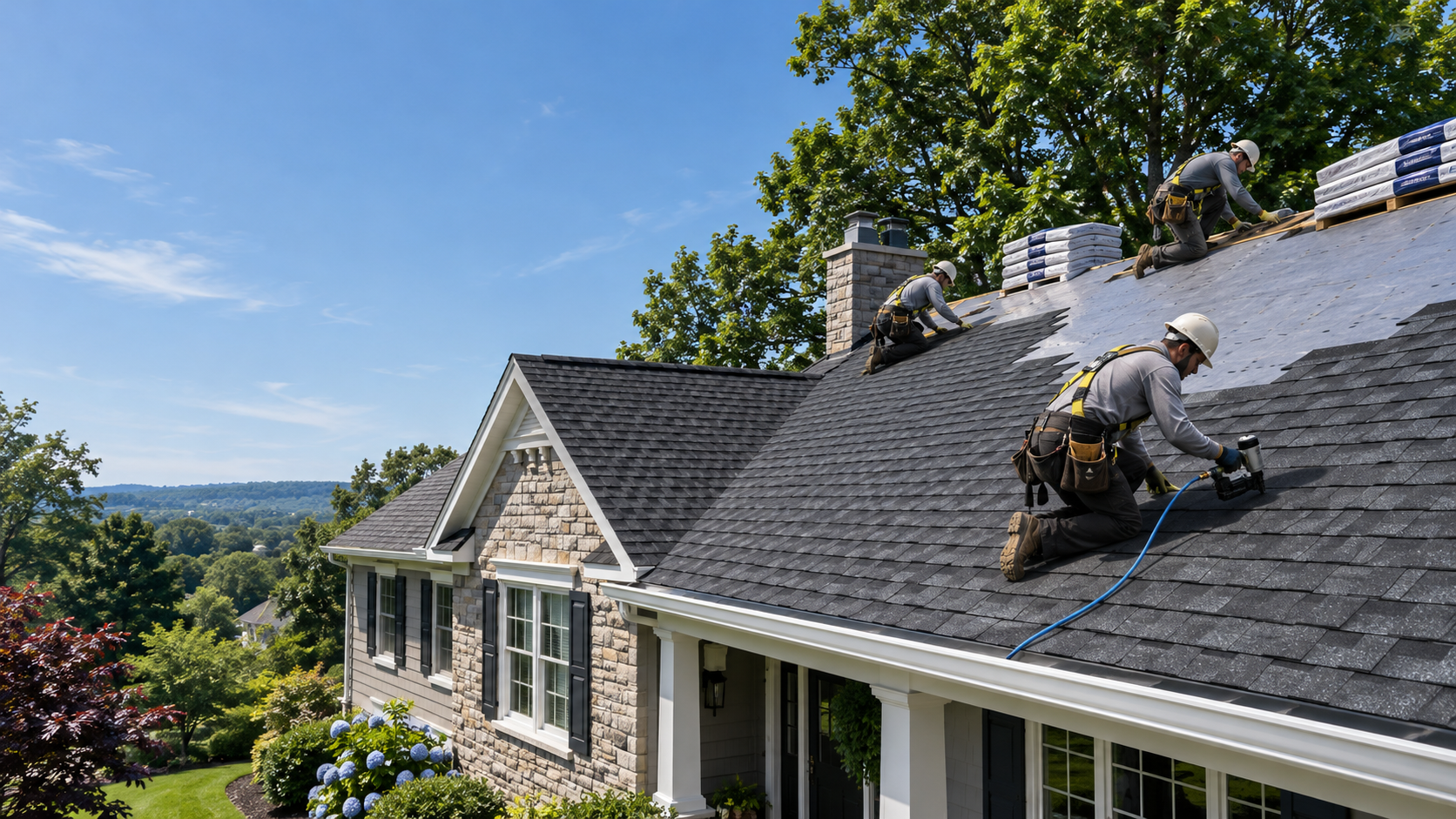
Illustrative image; not a NJ Pro project photo.
A roofing plan built around the condition of your roof
From a localized repair to a full replacement, the right scope begins with understanding what is happening and what the roof needs. We explain the work being considered, materials and details included, and how concealed deck damage will be handled if it becomes visible during removal.
Roofing services for repair, replacement, and installation
Tell us what you’ve noticed. We’ll discuss the roof condition and the work that may fit your home.
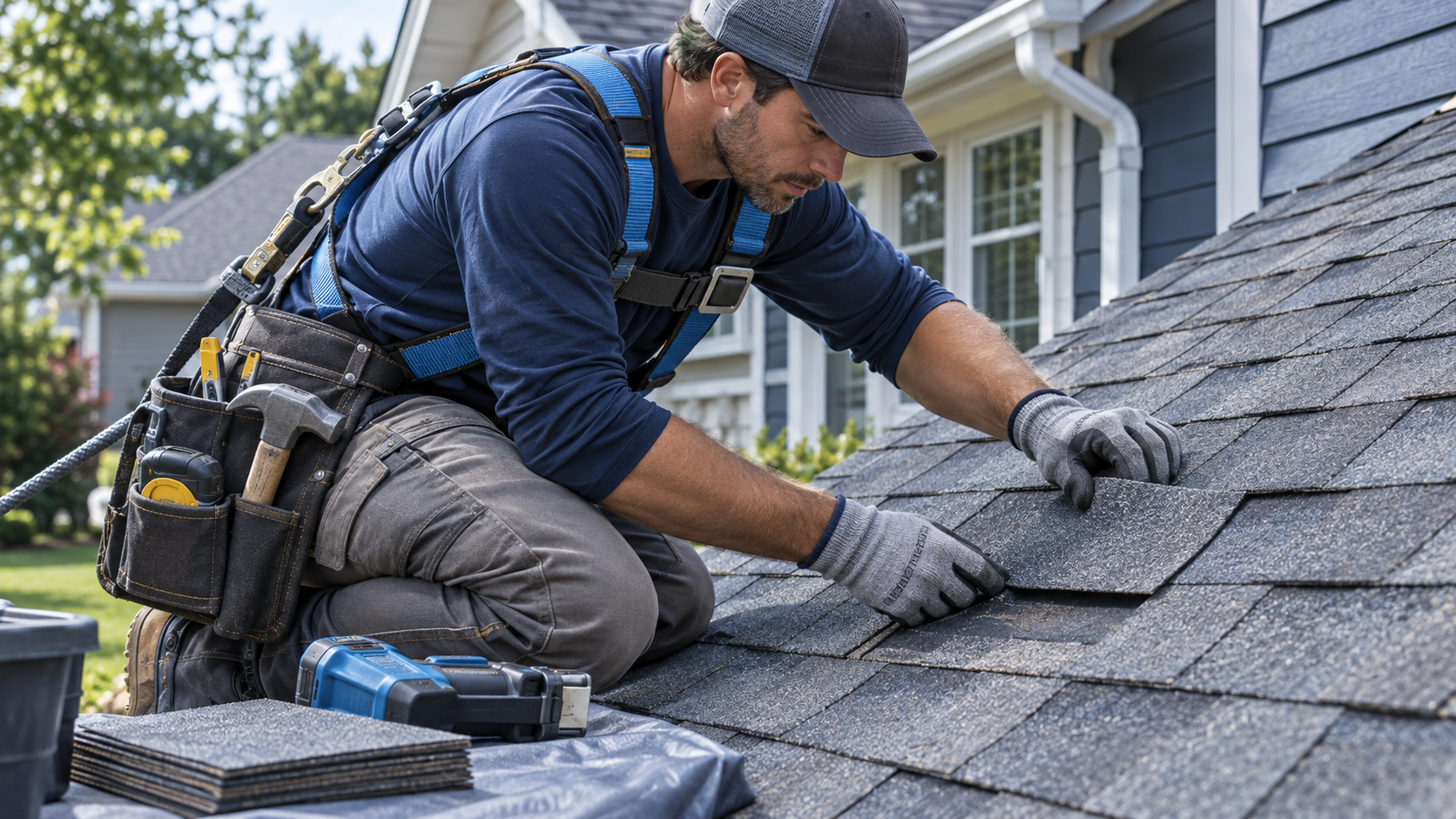
Roof Repairs
Address localized concerns such as missing or damaged shingles, leaks near roof transitions, or visible wear. The source and extent should be assessed before a repair is recommended.
Illustrative image; not a NJ Pro project photo.
Roof Replacement & New Installation
When the roof’s condition calls for a larger project, plan removal and installation with a defined scope for the deck review, roofing layers, flashing, and cleanup.
Illustrative image; not a NJ Pro project photo.
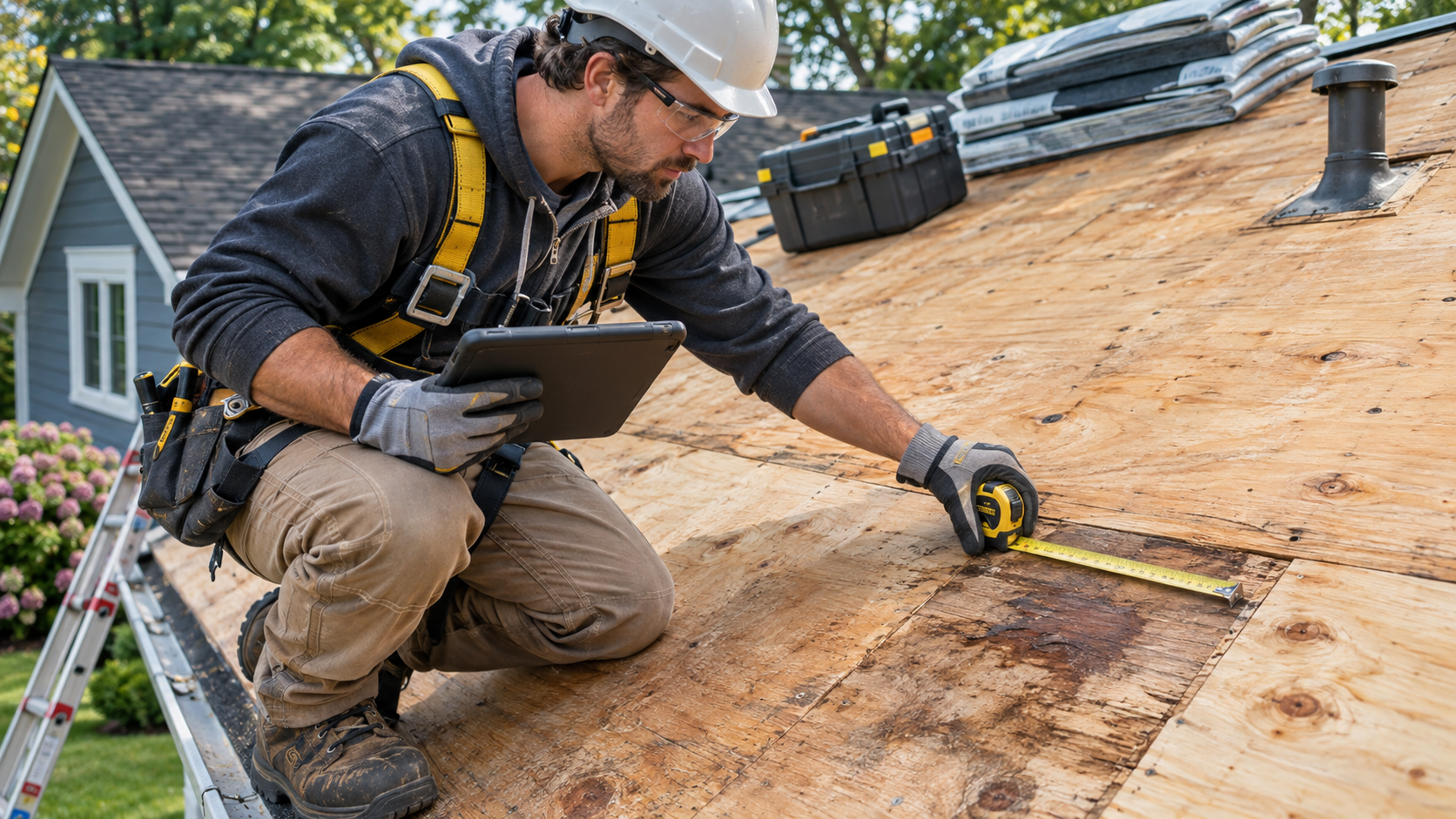
Plywood & Roof Deck Replacement
When replacement exposes the roof deck, check for soft, deteriorated, or water-damaged areas. Document added plywood work and get approval before proceeding.
Illustrative image; not a NJ Pro project photo.
Before the first shingle comes off
Preparation matters. Before work begins, confirm access, material staging, debris placement, and the areas around the home that need protection. The project plan should tell you what to move or secure, including vehicles and fragile items near the work area.
Protect nearby landscaping and surfaces as appropriate, remove existing materials only within the agreed scope, and keep the work area organized. If concealed damage is uncovered, document it and review the proposed scope and cost before adding work.
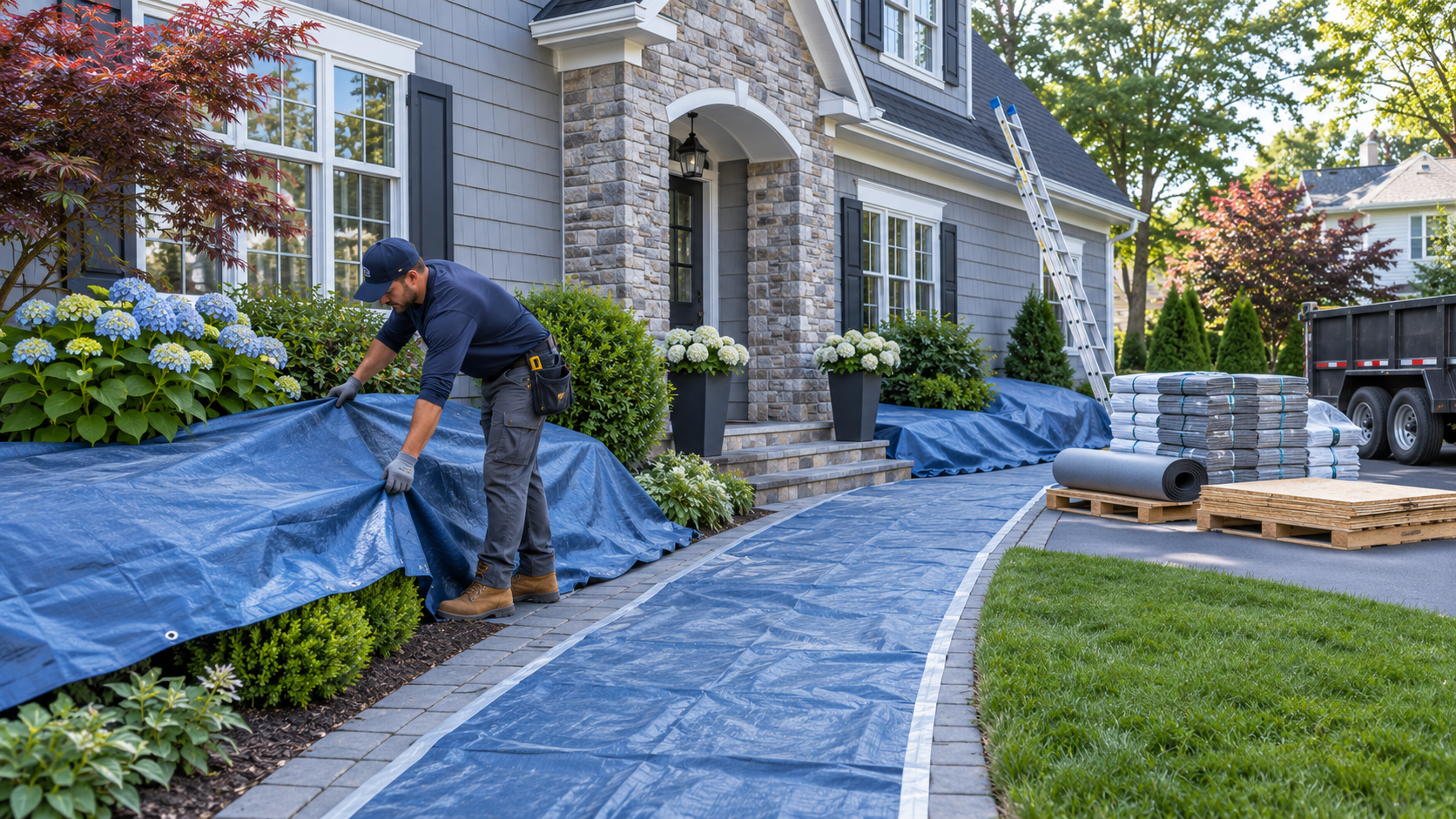
Illustrative image; not a NJ Pro project photo.
A clear roof replacement process
A written scope helps you understand what is planned and how decisions are handled if hidden conditions are discovered.
01
Assessment
Discuss the concern, visible roof conditions, access, and areas to be included.
02
Written scope
Clarify repair or replacement, materials, removal, flashing, underlayment, cleanup, and exclusions.
03
Site preparation
Plan safe access, material staging, debris handling, and appropriate protection for nearby areas.
04
Deck review
When replacement exposes the roof deck, inspect the sheathing and document damaged sections.
05
Installation
Install the approved roofing layers and details according to the written scope and applicable requirements.
06
Cleanup & review
Remove project debris and review the completed work against the agreed scope.
Repair or replace? Start with an assessment
A repair may fit when
The concern appears limited to a specific area and the surrounding roof remains in serviceable condition. A focused repair may address the identified issue, while considering the roof’s overall condition.
Replacement may be considered when
Wear or damage is broader, problems keep returning, or a repair would not address the underlying condition. The recommendation should follow an assessment and a clear explanation of options.
A leak does not automatically mean a full replacement is needed. Interior stains can also have causes unrelated to the roof.
Signs it may be time to ask about your roof
Consider requesting an assessment if you notice any of these conditions from a safe vantage point:
- Missing, lifted, cracked, or visibly worn shingles
- Ceiling stains or damp areas that may be connected to the roof
- Repeated leak concerns around a roof opening or transition
- Soft, deteriorated, or sagging roof-edge areas
- Recurring repairs that have not resolved the concern
Know what to review in your roofing estimate
A useful estimate should make the scope understandable before work begins. Ask what is included and how any concealed condition will be addressed.
- Roof areas and whether the work is repair or replacement
- Roofing materials and accessories included
- Underlayment, flashing, edges, and roof penetrations
- Removal and disposal of existing materials
- How damaged plywood or decking is documented and priced
- How added work is approved before proceeding
- Site preparation, cleanup, exclusions, and applicable permit or inspection responsibilities
- Any written product or workmanship warranty that applies to the selected scope
Roofing work, step by step
These generated visuals illustrate common roofing work stages. They are not photographs of NJ Pro projects.
Roof installation
Shingle repair
Decking inspection
Site preparation
Roofing questions homeowners ask
Can you replace damaged plywood during a roof replacement?
If damaged sheathing is visible after the existing roof is removed, document the affected area and explain the proposed replacement and cost for approval before additional work proceeds.
Does every roof leak require a full replacement?
No. Assess the source and extent first. Some conditions may suit a focused repair; broader wear or damage may call for a different scope.
What should I do before roofing work begins?
Follow the project-specific preparation instructions. They may include clearing access, moving vehicles, and securing fragile items near the work area.
What should I include when requesting an estimate?
Share the property town, what you have noticed, and when the concern began. Avoid sending sensitive personal or payment information through a contact form.
Get a clear plan for your roof
Tell us what you’re seeing and where the property is located. We’ll discuss the roofing concern and the next step.